Familiar Challenges
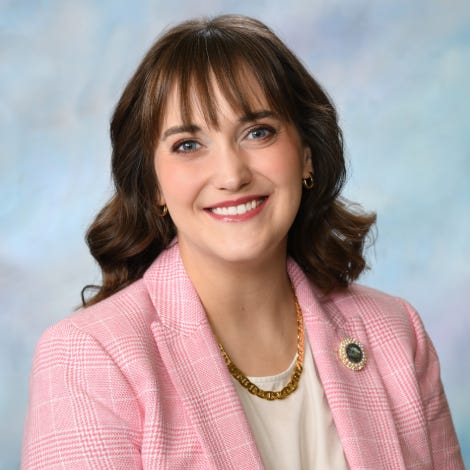
Column by Minority Leader Rep. Erin Healy

As the Legislature moves deeper into session, familiar challenges are emerging in Pierre. It was a full and busy week at the Capitol, with major bills advancing rapidly through committees and onto the floor. Big decisions are being made while the public is still asking questions. Whether we are talking about economic development, health care, or taxes, South Dakotans deserve transparency, accountability, and a real voice before long-term commitments are made.
Feed Families, Fund Schools
Representative Erik Muckey introduced HB 1281 this week, known as the Feed Families, Fund Schools Act. Democrats believe this bill represents the most responsible approach to lowering property tax burdens over time of any proposal introduced this session.
HB 1281 eliminates the state sales tax on groceries, finally removing one of the most regressive taxes in South Dakota. For working families, this means real relief, saving the average South Dakotan about $245 a year on basic food purchases.
Lost revenue is responsibly replaced through modest, broad-based adjustments, including a small sales tax increase to 5 percent, which still places South Dakota among the lowest in the region, and a one dollar increase in the tobacco tax. South Dakota has a long history of using tobacco taxes to promote public health, and declining tobacco revenue is a sign of a healthier state.
The bill also creates a statewide school building construction fund offering zero percent interest loans, giving districts a practical alternative to bonds. This reduces pressure on local property taxes and helps stabilize school funding across the state.
Most importantly, HB 1281 sustains our ability to fund education fairly, meet target teacher salaries, responsibly fund Medicaid services, and build a competitive state workforce. It also provides a pathway to reducing local school funding burdens, something the state has not meaningfully addressed in years.
Every decade or so, South Dakota leaders acknowledge that changes to our tax system are necessary to keep up with the state’s obligations. Republican Governors Bill Janklow and Dennis Daugaard both recognized this reality. That is why this proposal is not about party politics. It is about doing what is responsible and sustainable for South Dakota.
Health Care Restrictions Without Support
We have already seen just how far this Legislature has gone to restrict reproductive health care in South Dakota, and this week was no exception. One particularly troubling bill thankfully died, but the fact that it was even debated should give every South Dakotan pause. How much farther do we really need to go?
What lawmakers should be asking instead is what we are doing to actually support families. The answer remains deeply lacking. Bill after bill focuses on restriction and punishment while failing to provide meaningful support for parents and children. These proposals do nothing to expand access to health care, affordable childcare, paid leave, or the economic stability families need to thrive.
Instead, the focus continues to be on extreme definitions of life beginning at fertilization. These policies put IVF and surrogacy at risk and threaten options many families rely on to have children in the first place. Families facing infertility deserve compassion, clarity, and access to safe medical care — not legal uncertainty that creates fear for patients and providers.
Miscarriages are medical emergencies, not crimes. You cannot claim to support families while criminalizing pregnancy loss or placing patients and doctors under the threat of prosecution during some of the most devastating moments of their lives. These policies do not help families grow. They make it harder, more frightening, and more dangerous to seek care.
This same pattern showed up in this week’s debate over so-called medical conscience legislation. South Dakota already has conscience protections in law, but this proposal went further by allowing health care providers to deny care without clearly ensuring patients can still access medically necessary services. When laws are written too broadly, they create confusion, limit access, and put patients at risk — especially in rural communities where alternative care options may not exist.
If this Legislature is truly serious about valuing life and families, then the focus should be on policies that help people raise healthy children — not laws that punish, intimidate, or ignore the real needs of parents and patients.
Data Centers
Democrats recognize that data centers can play a role in economic development and may bring benefits to local communities, including potential property tax relief. But those possibilities do not replace the need for transparency, public input, and a clear understanding of long-term impacts.
Economic development should never move faster than accountability. South Dakota is a government for the people, and that means we have a responsibility to slow down and listen before committing to decisions that could shape our economy, tax base, utilities, and communities for decades.
Proposals like HB 1005, which would grant a 50-year tax break to private corporations, deserve serious scrutiny. Before locking in incentives of that magnitude, lawmakers and the public deserve clear answers about impacts on state and local revenues, utility rates, water resources, infrastructure demands, and long-term costs to ratepayers and taxpayers.
Concerns around transparency and public oversight are why Democrats have raised serious questions about HB 1005. While we understand the potential economic role of data centers, development of this scale must be guided by clear information, public engagement, and safeguards that ensure communities are not left absorbing hidden costs.
That is why Democrats will be pushing for a summer study with meaningful public input to better understand the true impacts of data centers in South Dakota. In addition, Democrats are calling for a one-year moratorium on new large-scale data center permits through HB 1301. This temporary pause would allow the state time to gather data, hold public hearings across South Dakota, and fully evaluate effects on electricity, water, infrastructure, and local communities.
This moratorium is not about stopping growth. It is about responsible leadership. It ensures voters have a meaningful voice and that future decisions are made with transparency, accountability, and long-term sustainability at the center.
Economic development works best when it strengthens communities and respects taxpayers. Listening to the public is not an obstacle to progress. It is how we protect South Dakotans and make smart economic choices that last.
Looking Ahead
South Dakotans expect their government to slow down, ask tough questions, and put people first. Whether the issue is economic development, health care, or taxes, those values should guide every decision made in Pierre. That is the standard Democrats are pushing for this session, and it is the standard South Dakotans deserve.
Erin Healy represents District 10 and is the Democratic Minority Leader for the House of Representatives. She sits on House State Affairs.